
Outstanding Universal Value

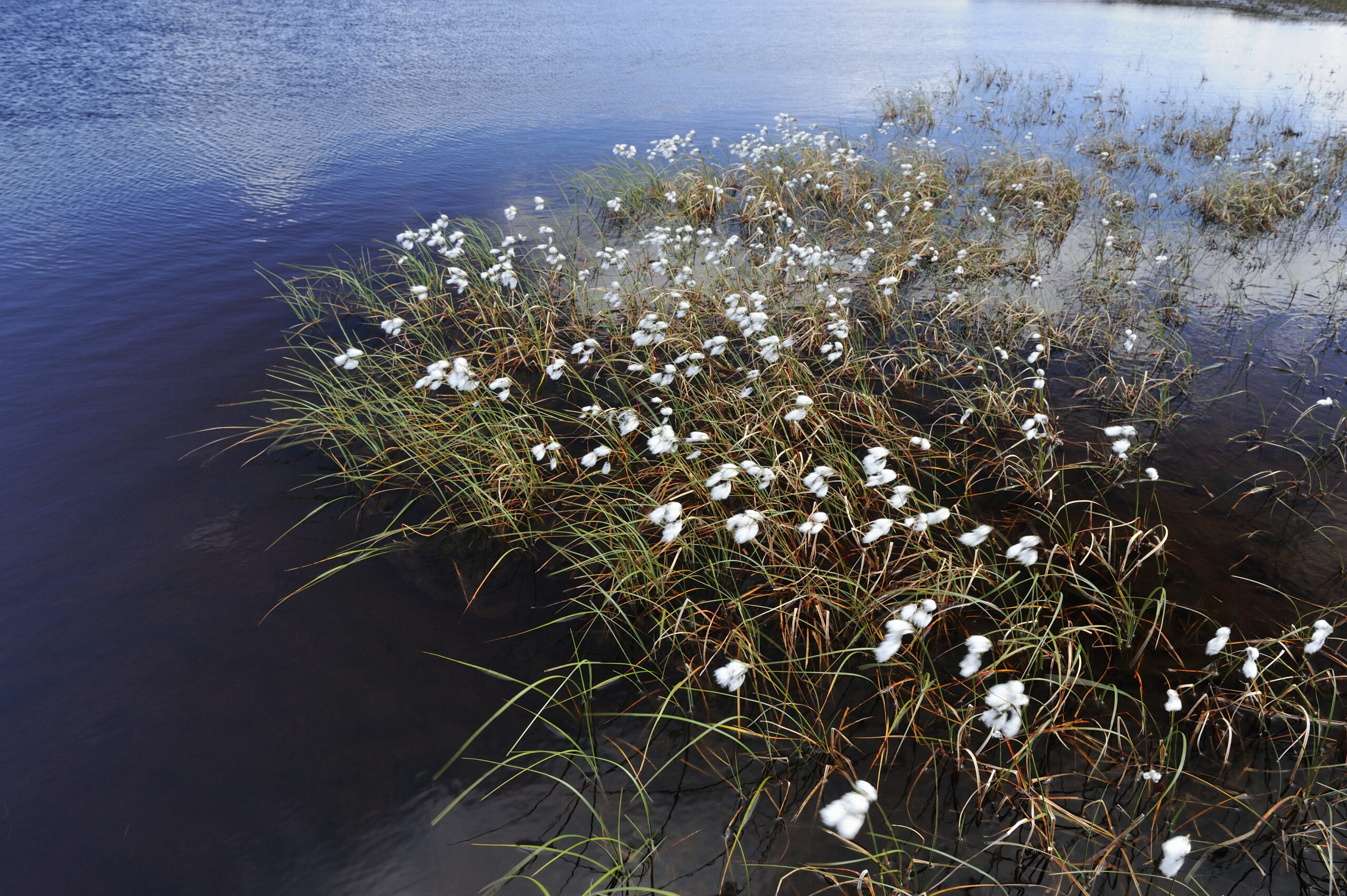
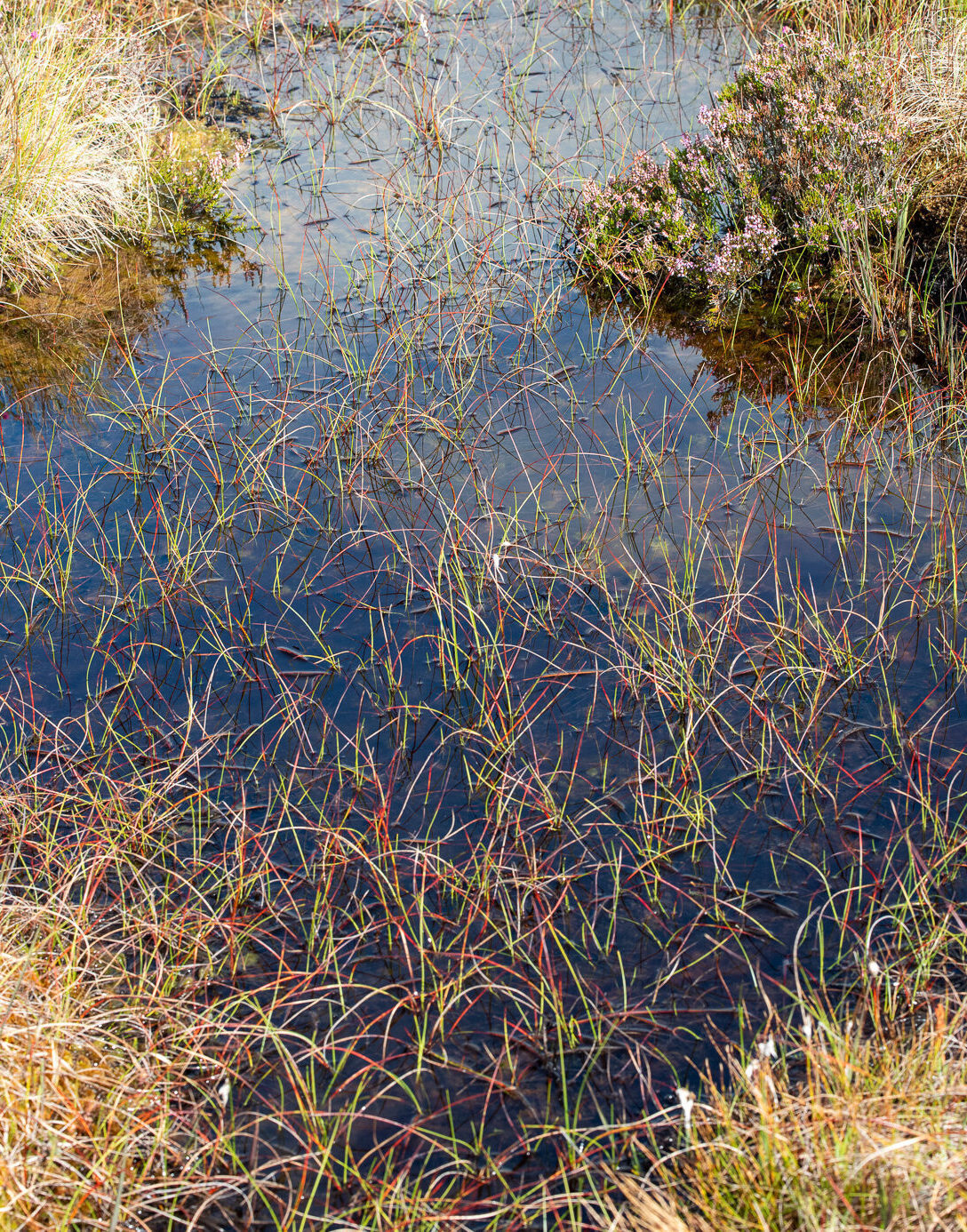
The Flow Country is considered the most outstanding example of a blanket bog ecosystem in the world. This blanket peat and its intricate network of pools, hummocks and ridges stretches across nearly 190,000 ha of the northern mainland Scotland, with the boundary comprising seven separate but adjacent areas. The peat has been accumulating for the past 9,000 years and displays a remarkable range of features resulting from the climatic, altitudinal, geological and geomorphological gradients found across the region. Peatlands play an important role in storing carbon, and the Flow Country has an extensive record of peatland accumulation, with peat thicknesses which reach over eight metres. Ongoing peat-forming ecological processes continue to sequester carbon on a very large scale.

The Flow Country blanket bog also provides a diversity of habitats, combined with the patchwork of connected farming and coastal landscape elements within the wider setting. The area supports a distinctive assemblage of birds, with a combination of arctic-alpine and temperate and continental species.

Protection for The Flow Country is provided through international and national designations, and national, and local planning law and policy, and there is scope for future expansion of the property through restoration of adjacent degraded blanket bog. The area is also considered to be the type-locality for description of blanket bog and so represents a significant research and educational resource.
Criterion (ix)

UNESCO identify ten criteria for World Heritage Sites, The Flow Country is inscribed under criterion ix – Ecosystems/communities and ecological/biological processes, focussing on the Site’s significant on-going ecological and biological processes in the evolution and development of ecosystems and communities of plants and animals.

Since the glaciers receded from Scotland, climatic conditions in combination with the underlying geology, the resultant topography, and the biogeography have led to the formation of a vast and diverse blanket bog landscape that stretches across the north of Scotland. The persistent precipitation-fed waterlogging of the soil has led to an expanse of peat bog that blankets the landscape, including hills, slopes and hollows, and forming a globally rare and significant peatland ecosystem and associated species assemblage. The Flow Country World Heritage Site represents the most extensive, near-continuous, high quality and near-natural blanket bog landscape found globally. The active processes of blanket bog formation have continued for 9,000 years, and the diversity of blanket bog features is not found anywhere else on Earth.

The blanket bog also provides a highly significant record of its formation, preserved as pollen and plant fossils, and telling a story of its past flora, fauna, palaeoecology and human influence. This is important for the understanding of the future evolution of this and other blanket bogs globally. Moreover, the processes of blanket bog formation provide a significant example of carbon sequestration on a large scale.

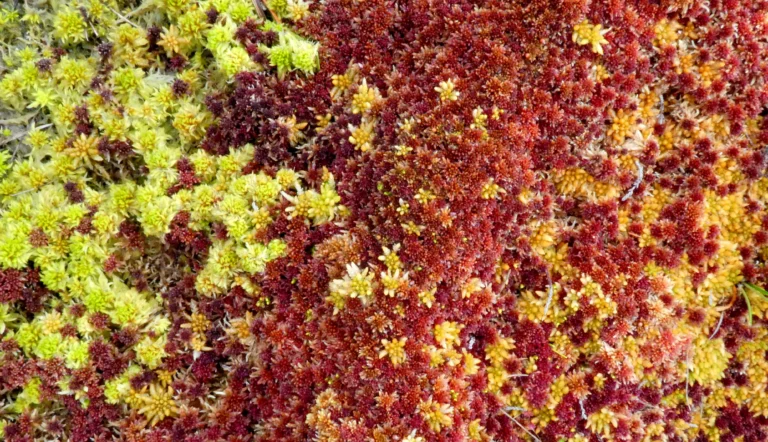
The Flow Country World Heritage Site holds between 29 and 34 peat forming species of Sphagnum moss, which are themselves home to complex assemblages of unique microorganisms adapted to survive in the low oxygen, cold temperature, acidity, and oligotrophy conditions of bog systems, adding to the biodiversity value of peatland habitats, and which also provide refuge for many breeding bird species. The property hosts a particular biodiversity assembly with specific communities composed of Atlantic, boreal and arctic taxa.

Integrity

A World Heritage Site must also meet a criteria of integrity – “Integrity is a measure of the wholeness and intactness of the natural and/or cultural heritage and its attributes”. The Flow Country property comprises seven discrete but adjacent areas totalling nearly 190,000 ha, which encompasses a large expanse of actively accumulating blanket bog ecosystem. The overwhelming majority of the blanket bog within the property boundary is in near-natural condition. The remainder includes areas of blanket bog that are undergoing restoration, and areas that are expected to be restored in the near future.

The Flow Country World Heritage Site is of sufficient size to contain all of the elements of Outstanding Universal Value needed to demonstrate the ecological and biological processes, and the biodiversity that comprises this globally significant ecosystem. These include the blanket bog itself, the wider peatland landscape complex in which it lies and the finer elements, including pool systems, diverse surface patterning, fens, and the range of flora and fauna that all of these systems support. The climatic, altitudinal, geological and geomorphological gradients that occur across the Flow Country all contribute to ensuring that the variety of features that make up blanket bogs are represented. Furthermore, the boundaries of the Site are largely defined on the basis of the hydrological elements that comprise the blanket bog, and therefore ensure ecosystem integrity and coherence.

Areas of the property have suffered from poor historical management decisions such as drainage and forestry creation, but the boundary has been chosen to include only those areas of deep peat which are in good condition or have the ability to return to a near-natural state within the next 10-25 years. It is expected that in time, it will be possible to integrate some of the bog of the wider Flow Country into the Site.

The most extensive near continuous example of natural actively accumulating blanket bog ecosystem found globally

The ongoing persistent rain-fed wetness and low rate of evaporation across the Flow Country leads to widespread, year-round waterlogged ground conditions which are ideal for the growth and preservation of peat forming plants.  This ongoing process (paludification) began around 9,000 years ago and is key in the formation of blanket bog.  Unlike other bog types, which are confined by topography, this allows blanket bog to cover entire landscapes.  The Flow Country is one of only a few locations in the world where conditions exist that are conducive to blanket bog formation, and combines a quality, extent and connectivity of this habitat exceeding that of any other known blanket bog.

The climatic and topographic gradients, and geological diversity: bog macroform diversity


The scale of the site, alongside the gradients in climate and topography, and the diversity of the underlying geology, provide the setting for subtle variations in processes which result in a wide diversity in the character of the blanket bog. These factors control the development of complex systems of hummocks, moss lawns, hollows and pools, and the associated plant species, which produce surface patterning that has been classified into 15 site-types.  No other blanket bog in the world contains, or is reported to contain, such a diverse collection of surface patterning within a single area.

The archive it stores (4th dimension)


Delving deeper, the peat, which has been forming for over 9,000 years, reaches thicknesses of over 8 m, providing an exceptional archive and a 4th dimension to the Flow Country blanket bog.  The processes responsible for the development of the blanket bog system and the ecosystems it supports can be scrutinised back through time across the vast area it covers using pollen records; plant fossils (e.g. hazelnuts, pine cones, pine stumps); lake sediment records (midge and diatom (alga) remains); tephra (ash) layers blown south from Icelandic volcanoes; charcoal (indicating in situ burning).

Its natural laboratory – ongoing scientific and educational use


The exceptional nature of the Flow Country makes it the ‘type site’ for blanket bog study and it continues to be used as a ‘test bed’ for peatland research globally. The diversity of features related to altitudinal and climatic gradients across the region and the depth of archive provides significant scope for research.  Furthermore, the breadth of existing studies provides a fantastic foundation for future research.

Its carbon sequestration and storage


Globally peatlands are the largest natural terrestrial carbon store.  Covering only 3% of the world’s land area, they hold nearly 30% of all the carbon stored on land. In blanket bog, year-round waterlogged conditions slow the process of plant decomposition such that the dead plants accumulate to form peat and thereby sequester carbon from the atmosphere. Over thousands of years this plant material builds up and becomes several metres thick creating a valuable carbon store.  The Flow Country provides a superb example of ongoing sequestration, alongside carbon storage demonstrated by peat thicknesses which can reach over 8 metres.